Graydon Carter
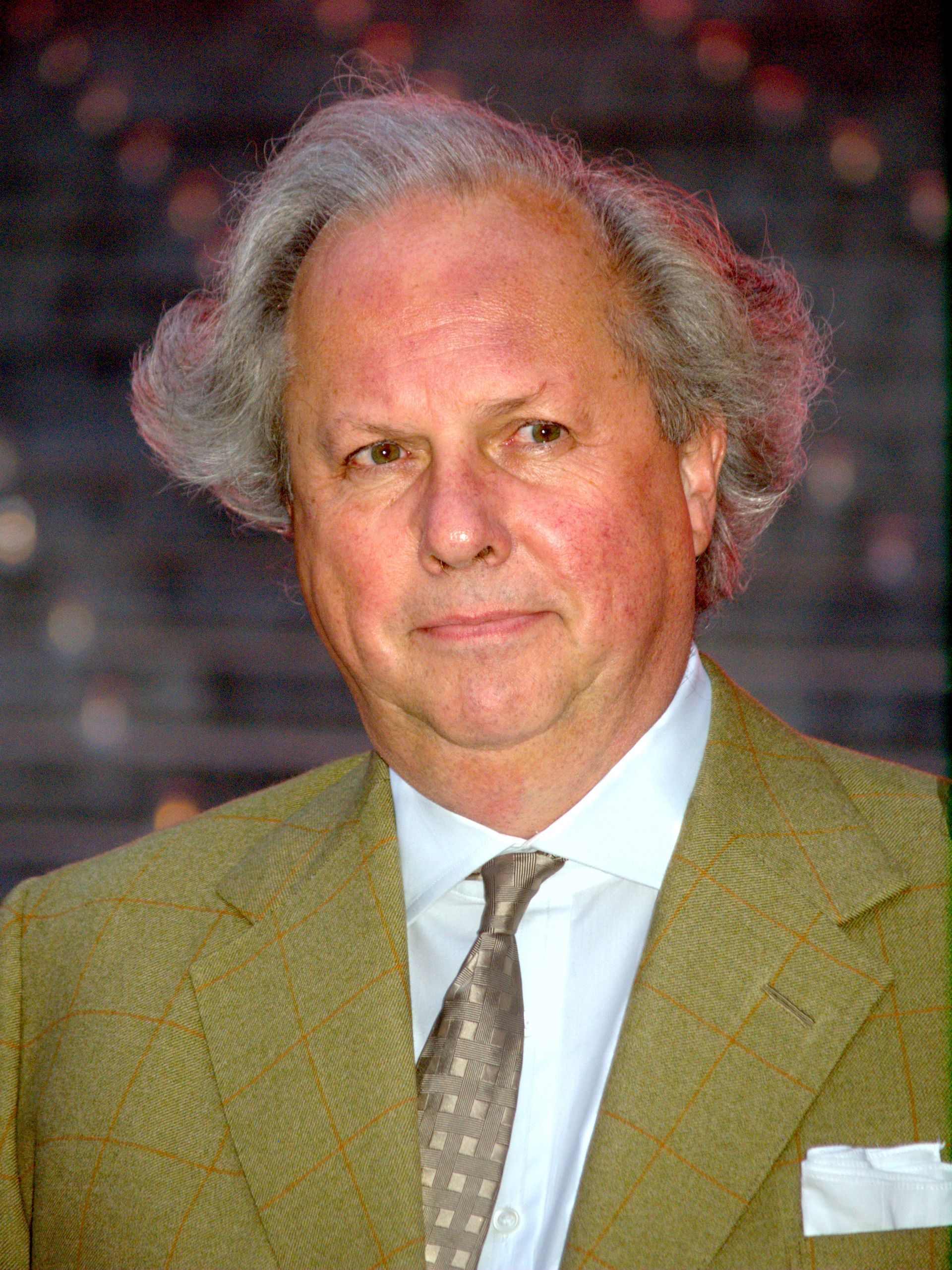
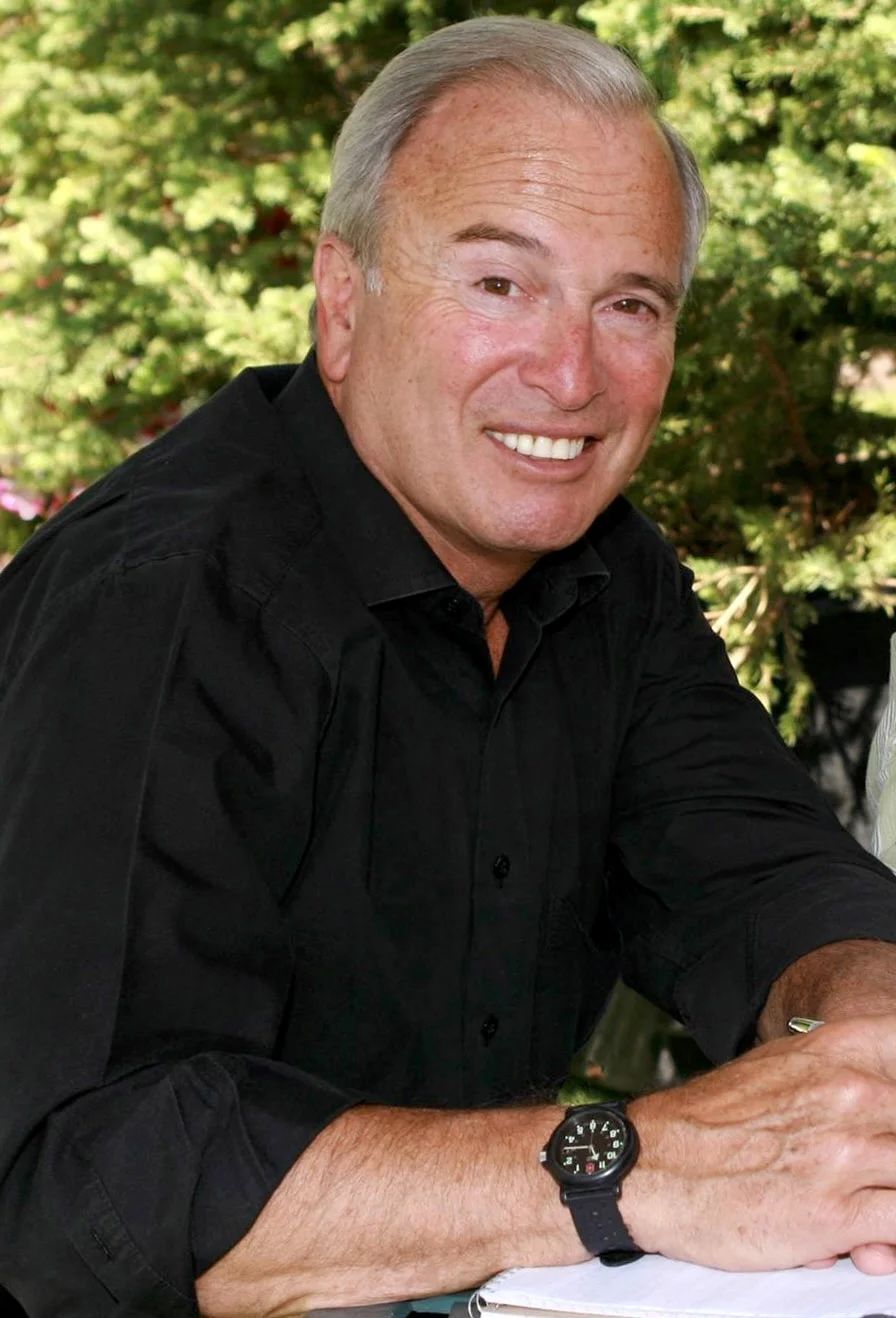
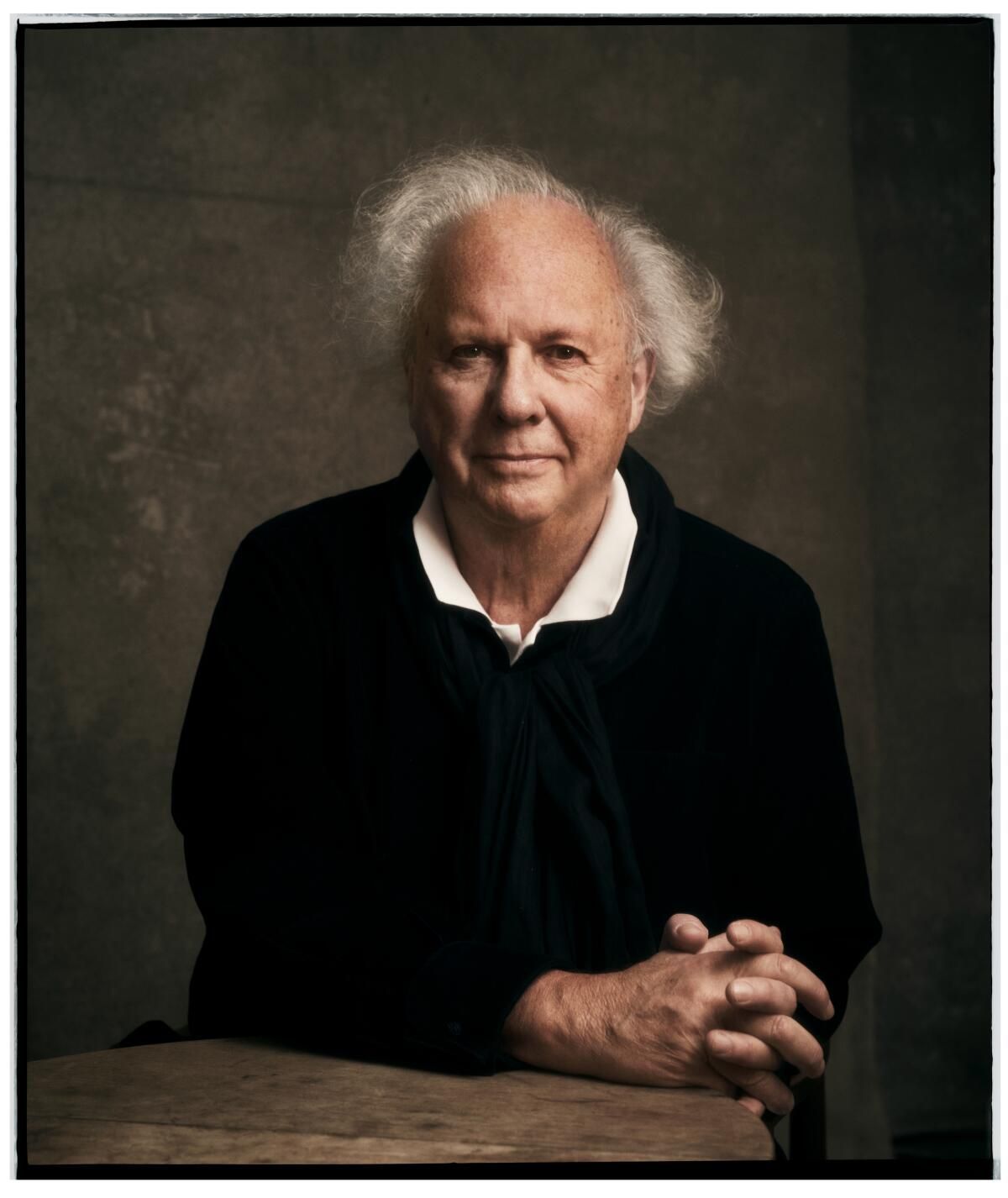
Graydon Carter chats and laughs (a lot), with Ken Auletta
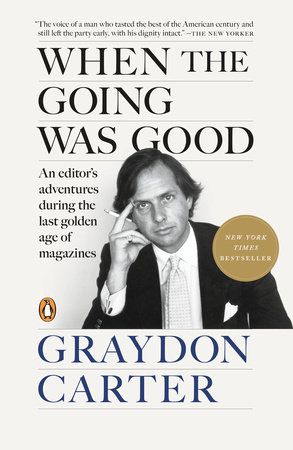
Graydon Carter, co-founding mischief-maker of Spy Magazine, 25-year editor of Vanity Fair, and now, he says, a dedicated napper, sat down with Ken Auletta to revisit the magazine world's last golden age, as chronicled in his memoir, When the Going Was Good.
Auletta, more gentle provocateur than aggressive interlocutor, interviewed Carter at the April 15 Silurians Press Club luncheon. Carter delivered a running mix of insight and stand-up, his stories landing with knowing guffaws from an audience that had lived through the same boom years and the same digital gutting
.
Many of Carter’s stories seem implausible now: six-figure expense accounts, a $25,000 outlay just to secure a handshake for his boss, Si Newhouse, or paying Annie Leibovitz an extra $250,000 because, Newhouse said, “I don't want to nickel and dime” her.
It was a business built on $8 annual subscriptions and $100,000-a-page ad rates, then dismantled by the internet’s surgical precision. Publishers, he said, saw it coming and did nothing. He was clear-eyed about what’s replaced it. With digital media, he said, anyone could be a columnist but building a durable business was nearly impossible.
Carter’s serendipitous origin story drew early laughs. At the time, Carter was reviving the New York Observer. He sent complimentary copies to editors, reporters and writers he knew in New York and London. Newhouse, touring his European media properties, noticed a copy of the Observer on every editor's desk. "He came back completely with the erroneous view that this was an international sensation," Carter said over the crescendo of laughter. It led to the Vanity Fair job.
Carter described their biweekly lunches at the Royalton, and the afternoon they walked out into exceptionally heavy rain. Miraculously, they flagged a Checker for the two-block ride to their office only to realize neither of them had any cash. Carter offered the cabbie $20 “if you'll wait while I run inside.” The driver sized up Newhouse. "Okay, but the little guy has to stay in the car." Laughter. "I love that story," Carter said. "I told it at his memorial."
Auletta noted that when Carter co-founded Spy Magazine in 1986, “you were often savage to people.”
“Well, yeah, we were tough on people,” Carter said. “We had this thing that we'd make up funny epithets for people.” Spy labelled Shirley Lord, a bosomy, dirty book writer; Donald Trump, a short-fingered vulgarian, “something that still bothers him to this day,” Carter said.
Carter had profiled Trump for GQ in 1982. "He has the sort of charm of an aluminum siding salesman," Carter said. (More laughter.) "He was craven, he was vulgar, he was selfish, he was egotistical. And those are the best things I think you can say about him now.”
Spy also called the CBS chairman Larry Tisch, a "churlish dwarf billionaire." Carter's friend John Scanlon, working for Tisch at the time, phoned in a fury. His precise objection: "Larry is not technically a dwarf." [Laughter.] Carter wrote it down and ran a correction in the next issue, that a CBS factotum had called to clarify that Tisch was not, in quotes, "technically a dwarf."
On what made a great Vanity Fair piece, Carter was precise: access, narrative, conflict and disclosure — ideally all four. He was equally passionate about good writing. "A well-written, well-edited 20,000-word story," he said, "can go down easier than a badly written, badly edited 100-word caption."
The formula produced some of the most important journalism of the era, including the magazine's exposure of Mark Felt as Deep Throat. The story unfolded over four years, involved extraordinary secrecy within the office. After it ran, the Vanity Fair team anxiously waited for confirmation from Woodward and Bernstein. It came just as Carter was about to board a transatlantic flight.
Asked what's next, Carter announced: "A nap this afternoon." There’s also a new book imprint with Alessandra Stanley, a Christopher Hitchens documentary for HBO, and a Karl Lagerfeld film currently stranded on a Paramount shelf because everyone in distribution had been fired.
Greatest regrets? "Not that many. I mean, maybe we shouldn't have called Larry (Tisch) a dwarf billionaire." A beat. "But he was doing a lot of damage to CBS News at the time, something I cared about." Pause. "And no, not gigantically, no."
A man at peace, heading home for his siesta.