Sam Tanenhaus
William F. Buckley: Conservative, Controversial, Curious
By David A. Andelman
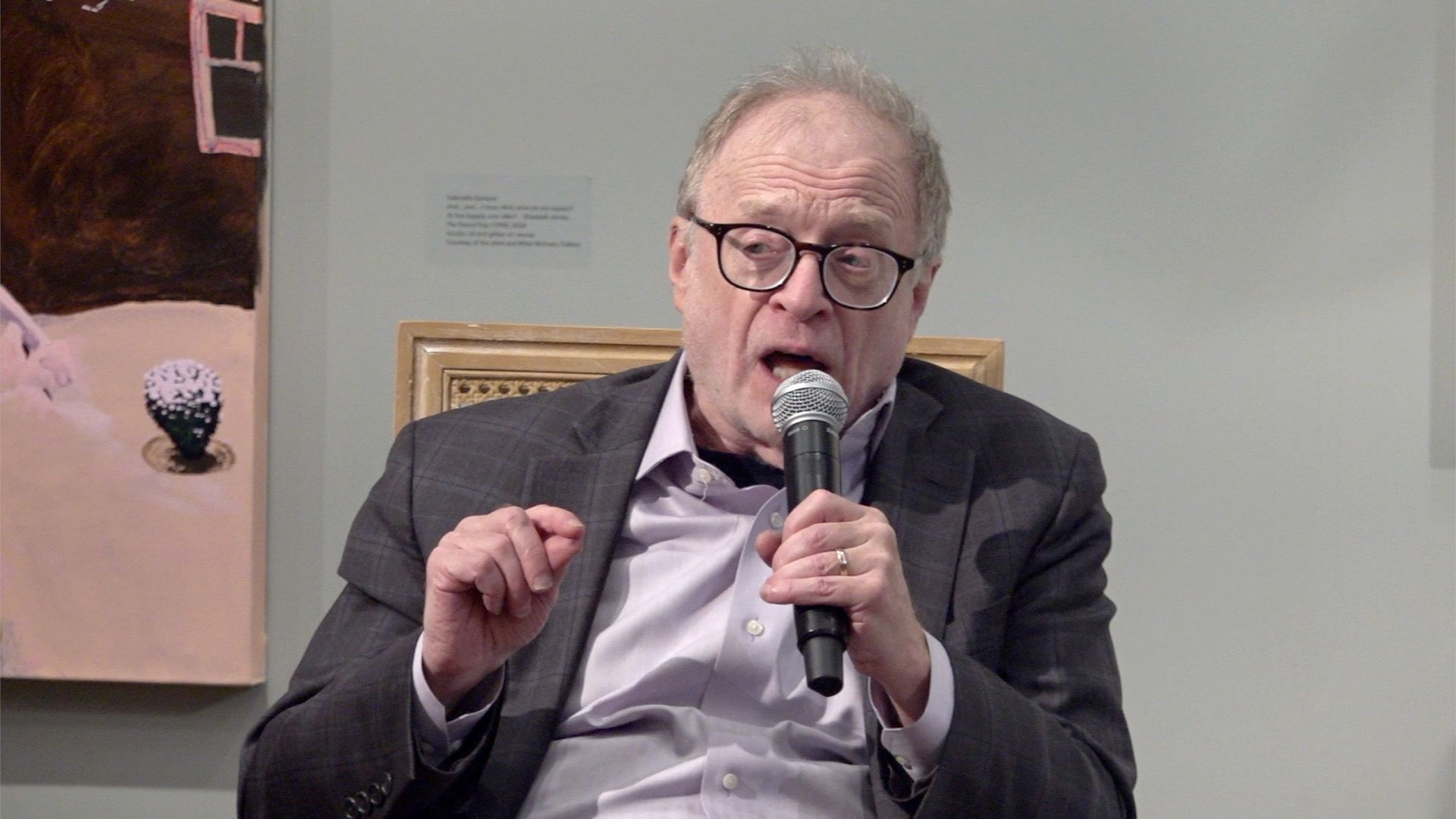
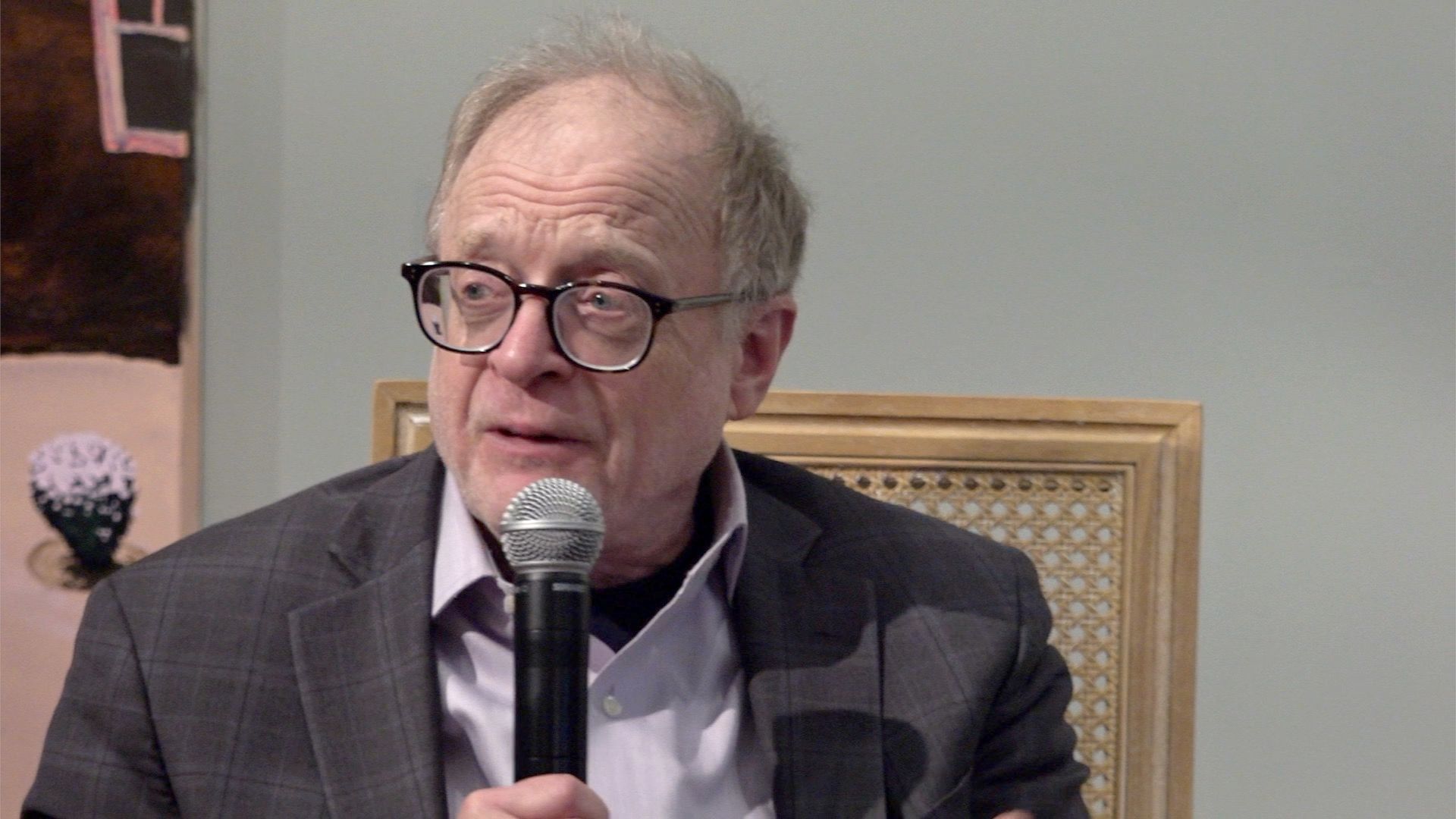
It was 20 years in the making, but an hour with Sam Tanenhaus, author of Buckley, brought the William F. Buckley into focus more deeply and compellingly, in all his immense complexity and diversity, than I thought I'd known for the last 70 or so years.
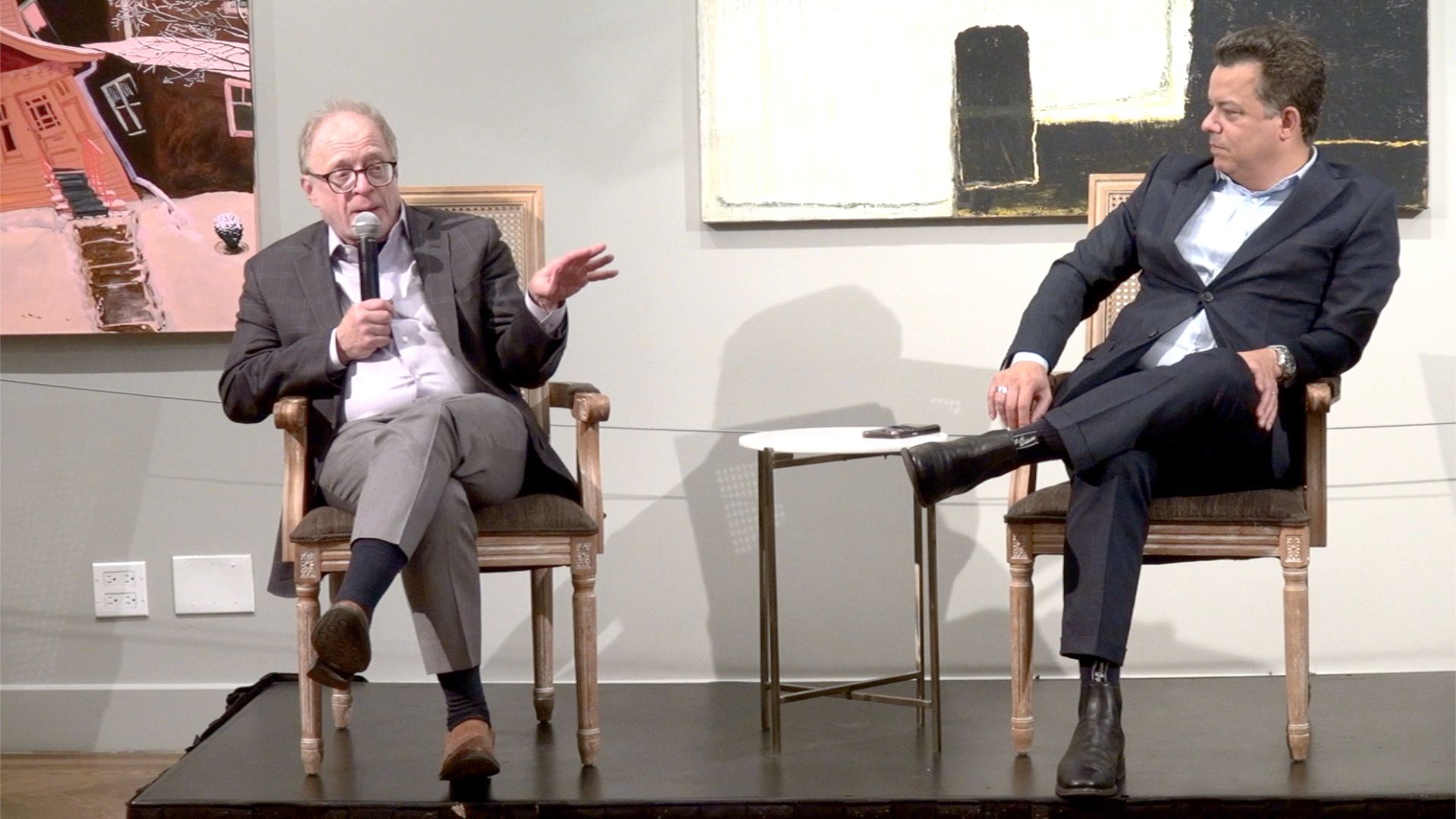
That had as much to do with the author of this incomparable biography as his subject—the indefatigable research and eloquent prose of the longtime editor of The New York Times Book Review. Prompted by his interlocutor, John Avalon, who had clearly read all 800+ pages of prose (and 200+ pages of footnotes), Tanenhaus brought all this and more to the Silurians Dec. 17 luncheon at the National Arts Club.
"Bill Buckley was an overpowering, charismatic personality, but not exactly of the kind we are used to today," Tanenhaus said. "Buckley was almost comically genteel and courteous."
It was Buckley’s ability to listen closely that was key to debating success. “He wants to know what you're going to say so he can club you over the head with it, but he's going to listen to it first."
"Bill Buckley is just enamored of good writing,” Tanenhaus quoted William Rusher, longtime publisher of the National Review as saying. “Thank God, The Communist Manifesto wasn't better written, or we would have lost Buckley."
In setting out to explore this complex, multi-faceted individual, Tanenhaus began to unpeel the many layers and "many, many contradictions" while recognizing "you can't reconcile the opposites."
This quest took him to Sharon, Connecticut, and the 47-acre estate where Buckley grew up, though this very Catholic family was surrounded by determinedly Congregationalist neighbors, "The 10 children and at least that many servants… got into three Buicks and drove around the green to the tumbledown thrown-up-overnight Catholic Church."
The Buckleys co-worshippers were not their patrician neighbors. "They were the people working in the households, the garage mechanics, the local farmers, or the descendants of iron workers, all in a kind of working-class Catholic church.
“I realized that's the seeds of the silent majority, the Moral Majority we saw later. Buckley was more comfortable in that climate than you might imagine because he's not really a patrician; he was great at playing one on TV."
There was also a dark side to Buckley that surfaced, perhaps never more vividly—or toxically—during the era of Senator Joe McCarthy.
Referring to a book Buckely co-authored, McCarthy and his Enemies, Tanenhaus said, “you'll see a lot less on McCarthy than you do on his enemies.” Similarly, those writing positively of Donald Trump, “there's much less about the virtues, and successes of Donald Trump, the president, then of the perfidy and betrayal of his enemies.
“That, they saw, was how the argument would work. It's about what you're against."
McCarthy went down in May 1954, which happened to be when the Supreme Court handed down its decision of Brown v. Board of Education. Buckley’s family spent winters in Camden, South Carolina. “They published a segregationist newspaper that was actually the vehicle of the White Citizens Council in South Carolina.” Buckley’s older sister, Priscilla, edited it for a time.
“So, Priscilla Buckley, at the time she was a line editor for John Leonard, Gary Wells and Joan Didion, she was editing that segregationist newspaper warning against the dangers of mongrelization and mix racing. If you track that against the unsigned editorials in National Review, they match perfectly. That's the beginning of the modern conservative movement."
Still, in so many ways Buckley had a gift of perfect political perfect pitch. Tanenhaus quoted his subject observing about himself, "You can put me in a room. Any room like this one. You can blindfold me, spin me around like a top, and I will be able to find every liberal in the room. But I couldn't tell you who the conservatives are."
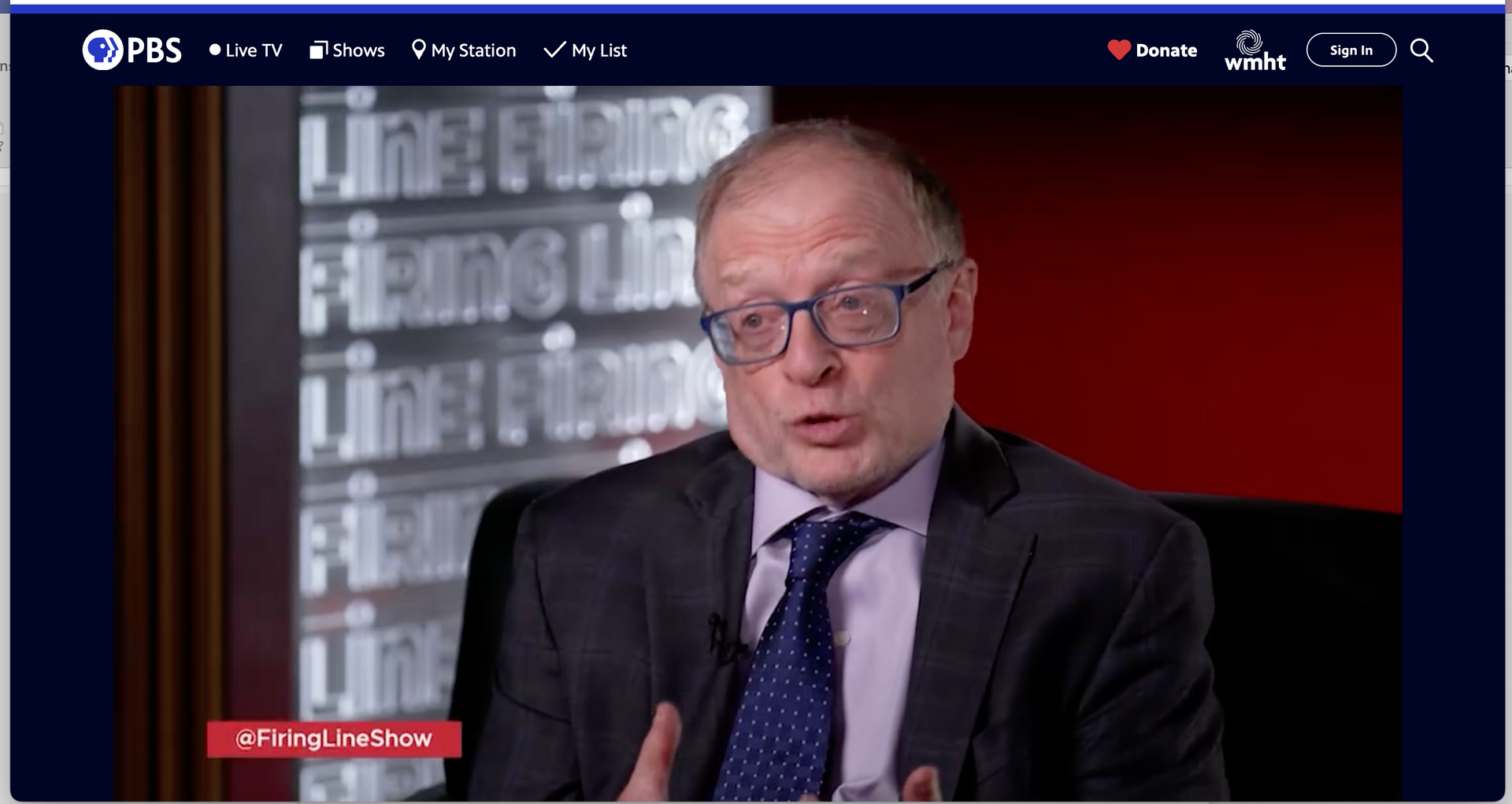
"Buckley did 1500 firing lines and never had Trump on it," Tanenhaus said. "And not many people who got the invitation ever said, no to Firing Line. You know the famous Gore Vidal comment, there two things, you never say no to: having sex and going on television."
Today, there are any number of lessons to carry away from Tanenhaus's monumental work. Perhaps the most important is one: "We've got a lot of people with very harsh, right wing opinions. They're always going to be there, but some who are actually open to a genuine discussion, might change their minds."
David A. Andelman is a past president of The Silurians, a former New York Times and CBS News correspondent, and creator of SubStack’s global Andelman Unleashed