Mike Kelly, Allan-Dodds Frank, Janny Scott
9/11 + 25 Years: What Have the Media Learned? What Could We Do Better?
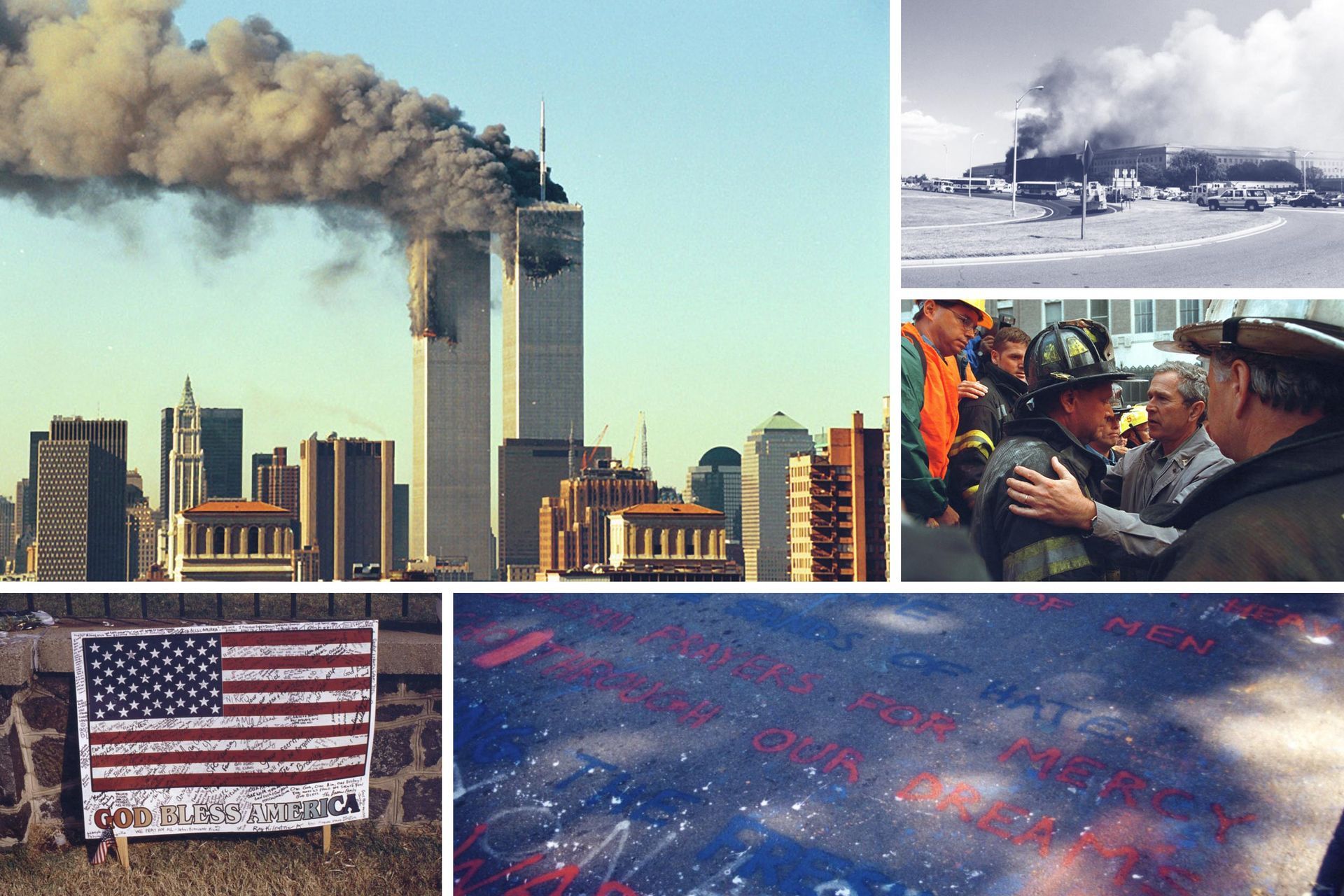
Twenty-five years after the attack on the World Trade Center, Silurians gathered on October 14 for a talk that was, perhaps, one of the club’s most all-inclusive. The speakers had been actively involved in reporting on 9/11, and, as New Yorkers, the audience had been involved and impacted. As Fran Carpentier, president of the Silurians Press Club, said: “The fallout of 9/11 is still very much with us.”
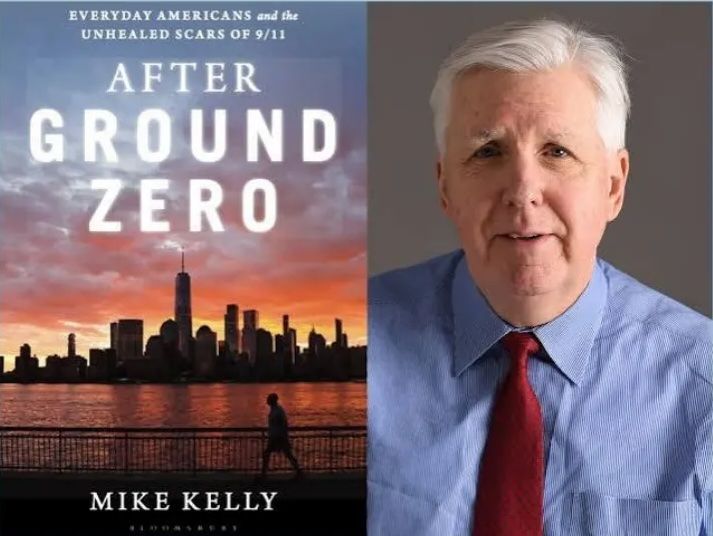
Three prize-winning journalists were on the panel: Mike Kelly, reporter and columnist for The Record in Bergen County and author of After Ground Zero: Everyday Americans and the Unhealed Scars of 9/11; Allan Dodds Frank, business investigative journalist who reported live for CNN as the towers fell; and Pulitzer Prize winner Janny Scott of The New York Times, who launched the “Portraits of Grief” series. Moderator Martin Gottlieb, a veteran reporter and editor, lived two blocks from the site.
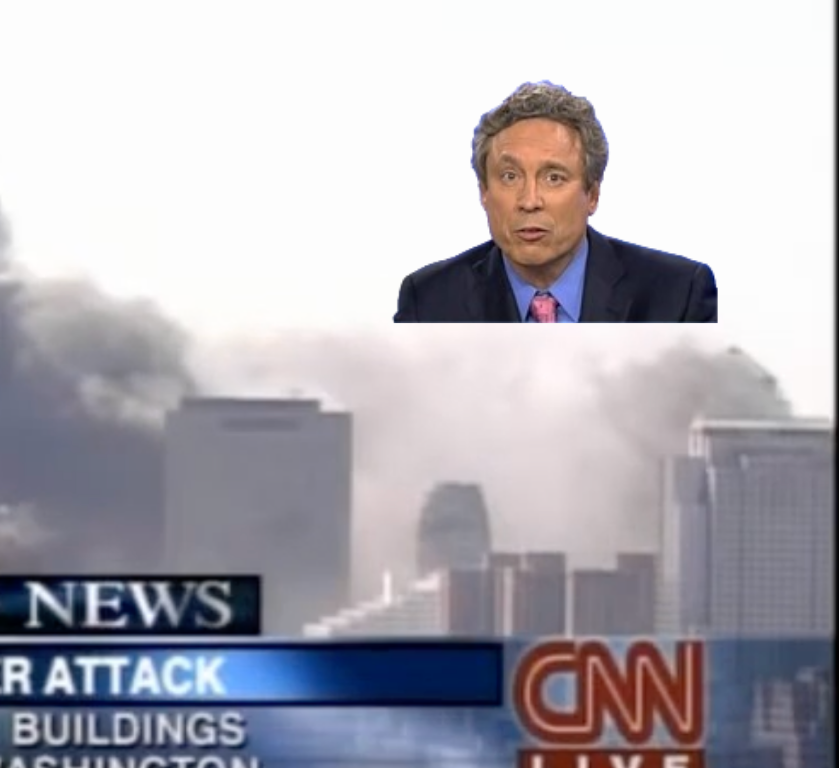
Kelly jumped on a tugboat to cross the Hudson and walked to Ground Zero, passing a tractor trailer loaded with coffins. Frank, who began at the Anchorage Daily News, doubted the first report of a small plane. “The first thing you learn in Alaska is how to cover a plane crash, and it was a perfectly clear day.” He took the subway (“I could get stuck behind 1,000 fire trucks”) and arrived at 14th Street just in time to watch the first tower fall. A firefighter then told him that 7 World Trade Center had already gone down. That false report, he said, “made me one of the founders of the conspiracy theories!”
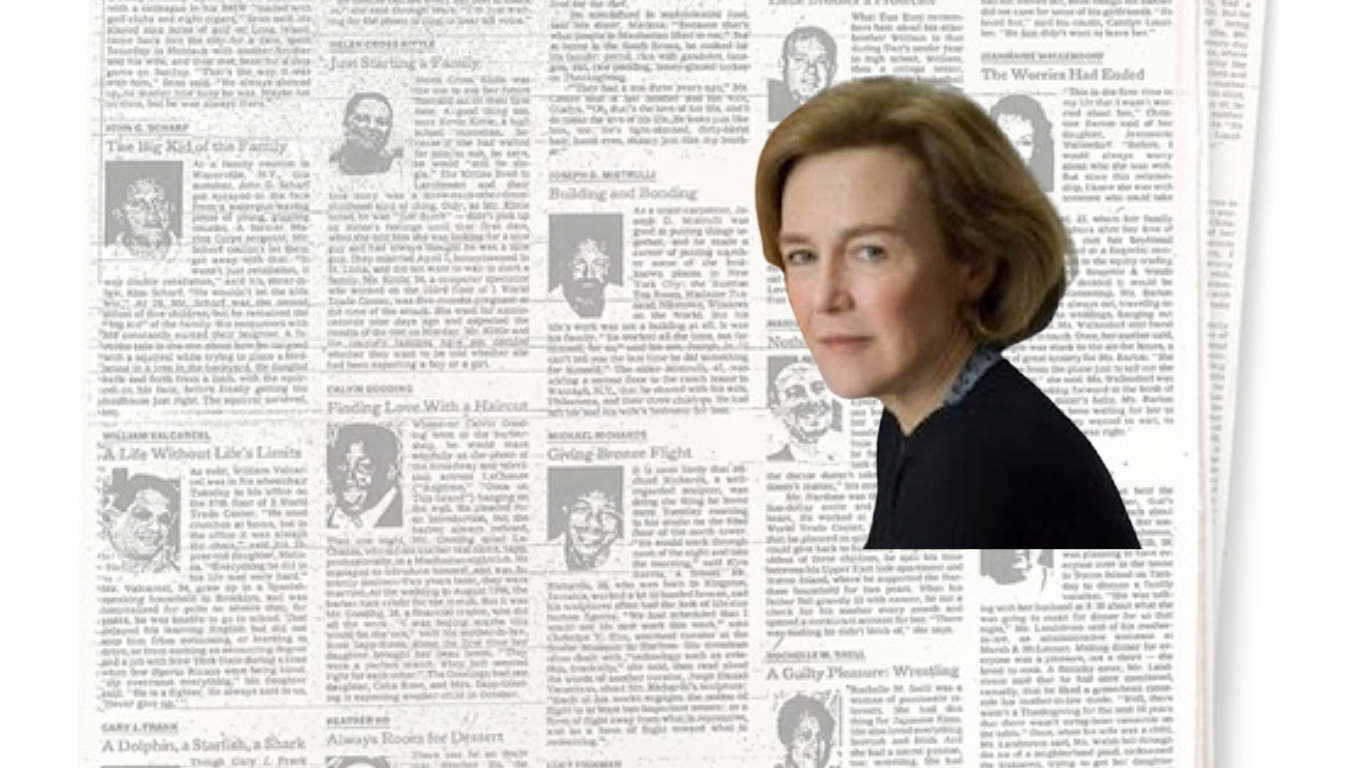
Scott took a cab to the Times, seeing people with Starbucks cups, “just utterly oblivious – like that was life before and life would never be the same again.” The next day, seeing flyers of the missing everywhere, she recalled an infant-mortality project she’d done: “A large number of dead people is dehumanizing but if you can somehow make the individual come alive, it plays in a completely different way.”
About 10 reporters began calling the numbers on the flyers and writing 200- to 250-word sketches built around one emblematic detail. By what Scott calls “seat of the pants journalism,” the project grew into 2,310 profiles written by more than 200 Times staffers. Gottlieb called reading them “a daily ritual.”
Six months later, Kelly picked one floor, the 70th of the South Tower, and tracked as many lives as he could. His subjects included the “Jersey Girls,” four widows who drove to Washington at dawn to “bang on doors of congressmen and senators.” They were, he believes, the prime movers behind the 9/11 Commission.
Gottlieb asked what could have been done better. “There came a point where we should have started asking even harder questions,” Kelly said, “specifically the Saudi connection.” He noted that newly released FBI files indicate that as many as 15 Saudi government officials helped the hijackers. Nineteen men who spoke little English still managed to rent apartments, join gyms and take flying lessons. “The problem for our business is we’re always looking ahead,” he said. “We also need to sometimes look behind.”
Frank, who went on to investigate terrorism financing, said the FBI and NYPD had classified information on the Trade Center’s construction. Records are supposedly being released now, but “this will be right up there with the Epstein files on what doesn’t get released.”
Gottlieb recalled that officials urged everyone to get back to work after 9/11 even though the area was toxic. Juan Gonzalez of the Daily News reported otherwise, using 600 pages obtained through the Freedom of Information Act. The response, Gottlieb said, was “hate against the Daily News,” with Christie Whitman and Mayor Giuliani complaining to its management. At the end of August, the compensation fund had paid out $18.5 billion to more than 70,000 people. Next time, he said, “the reporting should be on the cautionary side, particularly when the government is pushing in the opposite direction.”
Kelly said Mount Sinai Medical Center estimates 60,000 cancer cases linked to Ground Zero toxins. “If 10 percent of them are fatal, we’re talking over 10,000 people who have died since 9-11. I think this is one of the great stories going forward in terms of what we as a profession need to really look at.”
It was one reason he wrote his book. Three years ago, Marty Davin, an undercover NYPD officer Kelly had interviewed on the first day, called him. Davin had esophageal and blood cancer but couldn’t get full benefits because he never signed a logbook. Kelly wrote the NYPD confirming the interview at Murray and West Streets, and the detective got his benefits.