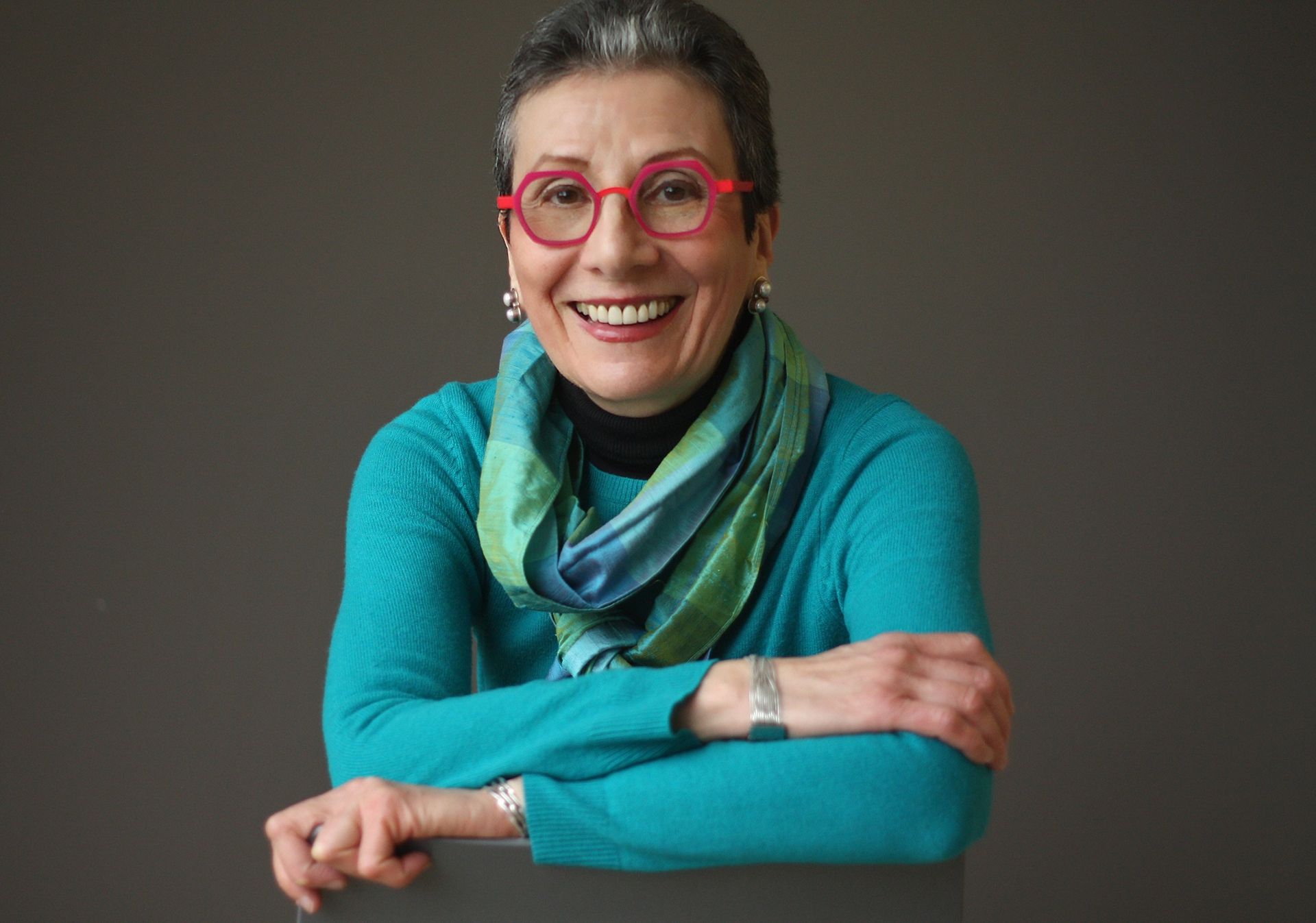
Gayle Feldman
Gayle Feldman and Kai Bird on Bennett Cerf, the Art of Biography, and What Publishing Has Lost
Bennett Cerf put James Joyce on American bookshelves, charmed Frank Sinatra and Mia Farrow, published Faulkner, Dr. Seuss, Cormac McCarthy, and Ayn Rand. He was also the wisecracking panelist half of America watched on Sunday nights on “What's My Line”. Yet, ask anyone under 60 who Bennett Cerf was, and you'll likely get a blank stare.
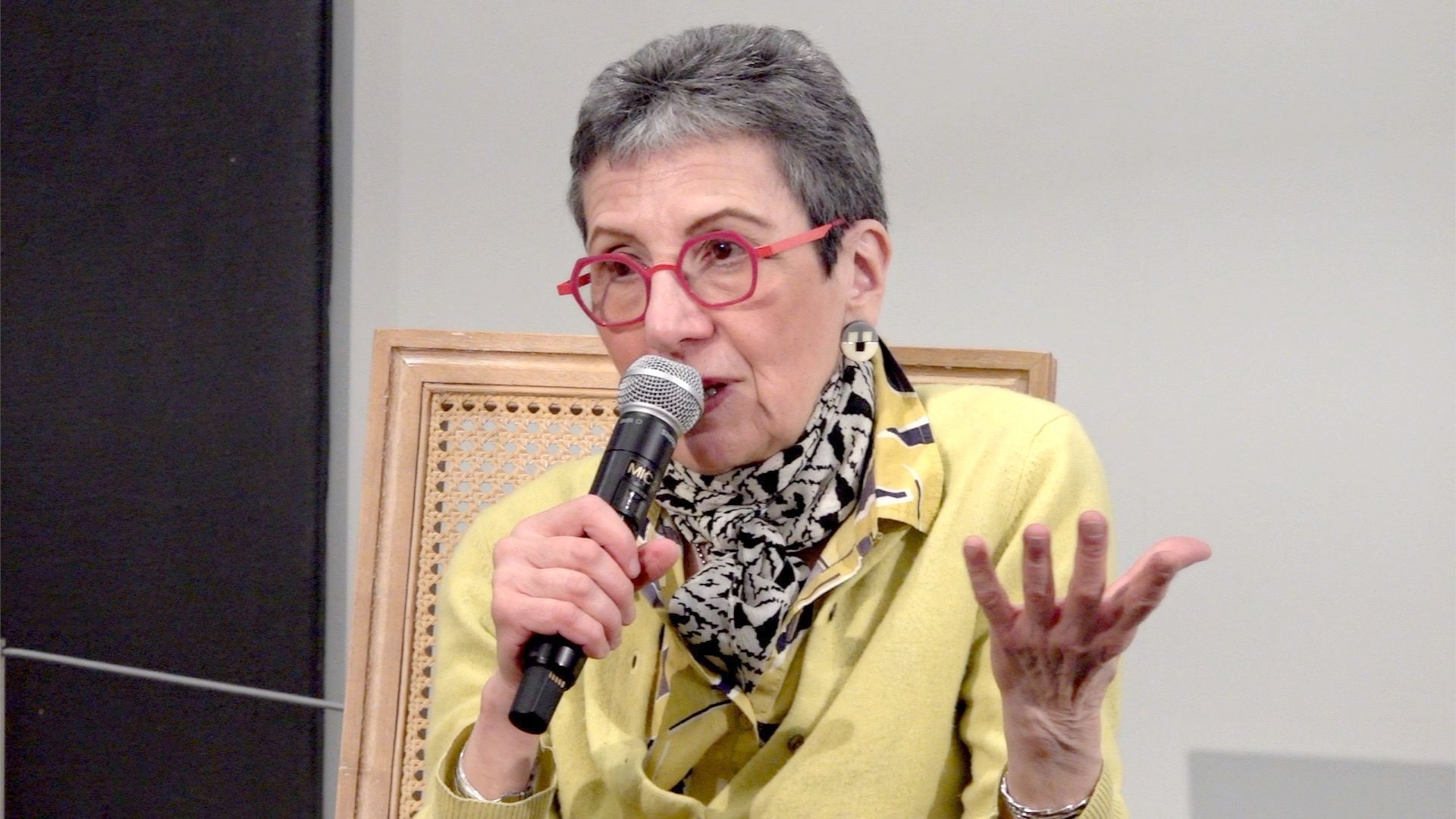
That puzzle had consumed Gayle Feldman for more than two decades, and the one she answered in Nothing Random: Bennett Cerf and the Publishing House He Built, her sweeping new biography of the co-founder and animating spirit of Random House.
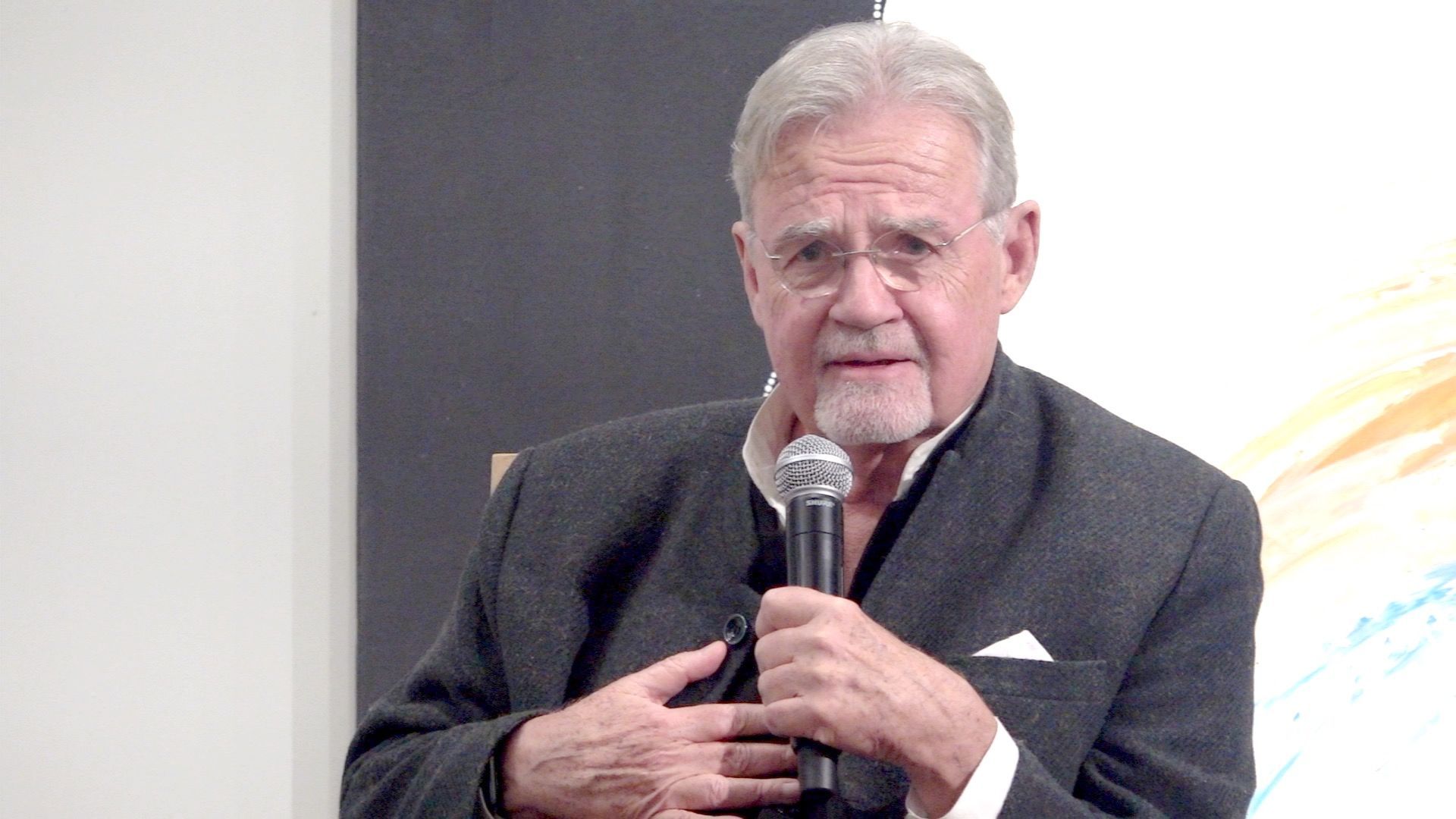
Speaking at the Silurians Press Club luncheon on March 18, Feldman discussed her odyssey with Kai Bird, Pulitzer Prize winning biographer of J. Robert Oppenheimer (American Prometheus). Their conversation moved fluidly between literary history, investigative sleuthing, and the endurance required to bring a major biography to life.
When Bird praised Feldman’s work “an intellectual biography of the 20th century,” Feldman quickly complicated the public image of her subject. Cerf, she said, “loved to tell stories and many of them were not true” and that “the story… counted far more than the facts.”
“I knew I had to check and check,” she said. At Bird’s prompting, Feldman’s then related the archival detective story behind why James Joyce chose fledgling Random House as his American publisher over the more established William Morrow.
Feldman traced the answer to a single clue buried in an article Cerf had written for “Contempo”, an obscure magazine whose archives sat in Butler Library at Columbia. In passing, Cerf wrote a man named Robert Castor had offered to carry a message to Joyce in Paris.
"I had no idea who this guy was," Feldman told the room, "and in all the Joyce literature, I'd never come across him." She turned to ProQuest's historical “New York Times” archive, found a wedding announcement for Castor's daughter, traced the daughter's married name through telephone directories, and cold-called a number in New York.
“This old lady answered,” Feldman said, ‘‘I’m his daughter. And I have some letters that might interest you. Would you like to come and see me?’”
Turns out, Robert Castor's sister, Helen, had married Joyce's son Giorgio. Robert had also been a partner at the Wall Street brokerage where the young Bennett had worked after Columbia.
Cerf’s coup was less about contracts than contacts. Or, as Feldman observed, “This city runs on who you know. It does now, and it did then.”
Bird called it a classic biographer's treasure hunt, where persistence uncovers what official histories omit.
Feldman’s pursuit of such stories cost her decades. “I signed the contract 23 years ago,” she said, drawing laughter from the audience. Cerf’s publishing list ranged from Faulkner to Dr. Seuss. “How could I leave any of those canonical authors out of the book?” The result was a vast archive that required “two big filing cabinets… and two bookcases… entirely devoted to the book.”
The manuscript originally ran 1,300 pages. She hired outside editors adept with both the hatchet and the scalpel. “I cut 500 pages out of this book,” she said. “The Ulysses chapter was twice the length… the epilogue… was twice as long.”
The conversation also turned to the changing nature of publishing, a subject that occupied much of the second half of the luncheon. Cerf, Feldman said, “worked at knowing the authors who [he] published,” and the Random House offices themselves created a sense that “what you did mattered.” By contrast, “especially since the pandemic… there’s not that same feeling in the big houses. I mean, it’s corporate.”
The kind of long-term commitment Cerf showed to writers may be harder to sustain today. Recalling how Cormac McCarthy was nurtured despite early commercial struggles, she noted that such patience “could not happen today.”
Feldman returned to a central principle of biography: fidelity to truth, however complicated. “You have to be fair,” she said. “You have to try and find the facts, and you have to tell the truth. Even if it’s painful.” At the same time, she acknowledged the inevitable subjectivity of the form—echoing Bird’s view that every biography is, in some sense, “my story” of its subject.
Asked what kept her going through 23 years, Feldman said books had saved her after her mother died when she was in high school. She had grown up reading the authors Cerf championed in the Modern Library. Cerf deserved to be remembered not only for building Random House, but also for shaping a literary culture that still resonates.
“So many people do bad things and are well remembered,” she said. “But he made Random House. And that was worth writing about.”