Myron Rushetzky
The ‘Heart and Soul of the New York Post,’ Myron Rushetzky, 73,
Loses Battle with Cancer
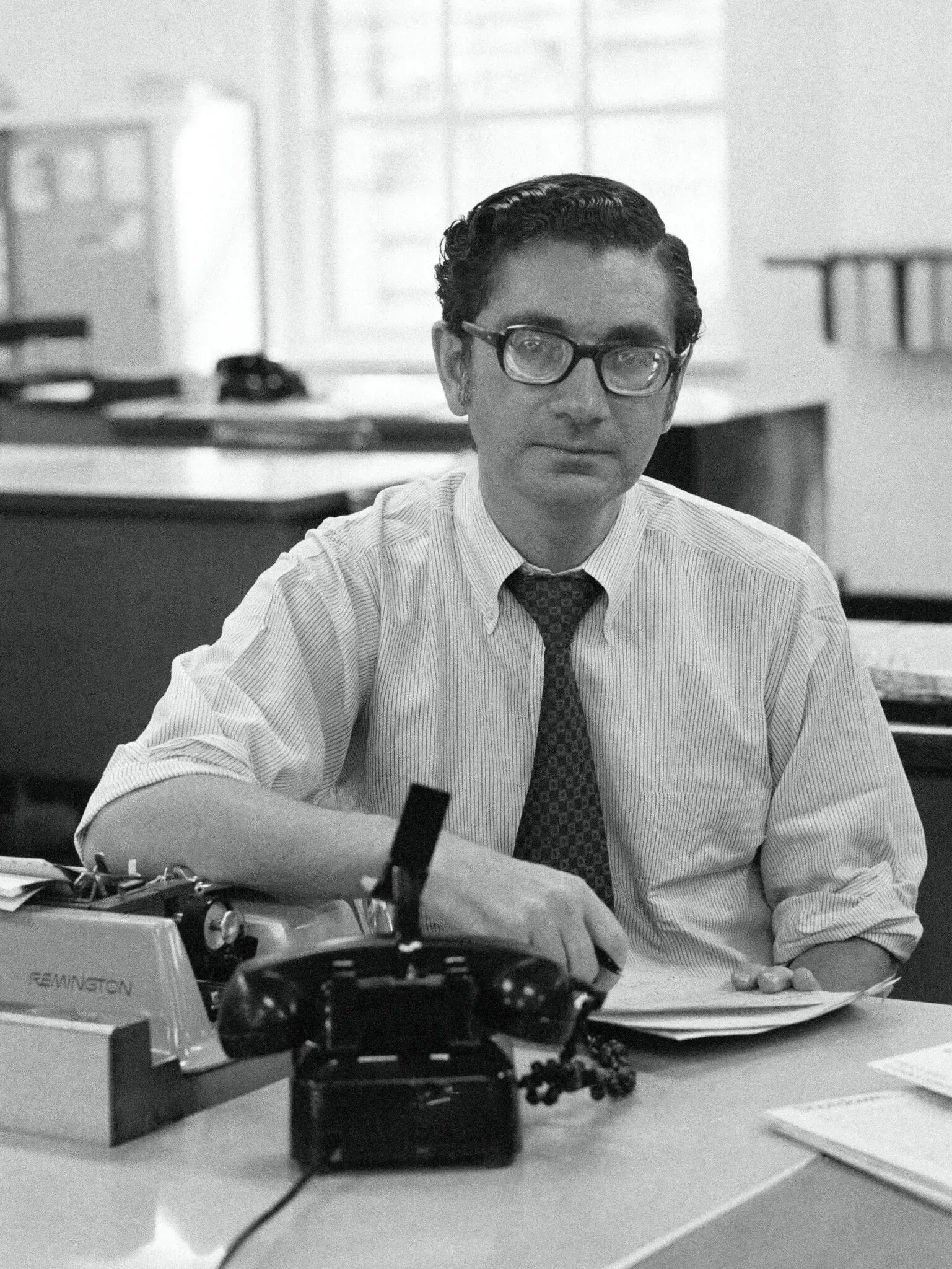
Myron Rushetzky, 73, the legendary gatekeeper to the raucous New York Post’s City Desk during a 40-year career there who later served on the Board of the Silurians Press Club, died of glandular cancer on August 15 at NYU Langone Hospital in Manhattan.
“He fell in love with newspapers at the New York Post, and newspapers and the Post loved him back. He became the heart and soul of the paper,” said journalist and author Susan Mulcahy, who began her career as a copy girl at the Postunder Myron in 1978 and graduated to write for the famous Page Six gossip page. In 2024, she and Frank DiGiacomo coauthored Paper of Wreckage: The Rogues, Renegades, Wiseguys, Wankers, and Relentless Reporters Who Redefined American Media, an oral history of the Post from 1976 to 2024. It surprised no one when Mulcahy and DiGiacomo dedicated the book to Myron Rushetzky.
After his retirement from the Post, Myron became a Silurian and was soon invited to join its Board of Governors where he served for more than a decade. He worked closely with me to plan and make sure that the annual Silurians “Excellence in Journalism” Awards Dinner ran smoothly. Myron also was a regular at the check-in table at the Silurians popular monthly lunches.
As the gatekeeper of the Post’s City Desk, Myron said he was “in the eye of the hurricane,” answering incoming calls that in pre-internet days was the paper’s connection to breaking news.
His reach was global, reflected in this obituary which appeared in The Jerusalem Post: “Like a triage official in a hospital, he knew exactly where to send such calls—news editors, beat reporters or the rewrite desk. And he knew when to hang up on the crazies.” Hannah Brown, who wrote the obituary, also had been one of Myron’s copy girls and credited him with getting her started in a journalism career. She was not the only one.
One of Rushetzky’s duties at the Post was overseeing the training and scheduling of copy boys and girls—the support staff in pre-digital days that ran copy, photos, layouts wherever they had to go. Generations of future well-known journalists got their start running copy for Rushetzky, including New York Times White House correspondent and Silurian Maggie Haberman.
Early in his career at the Post, Myron began sending birthday and anniversary cards to colleagues at the Post and at other newspapers; eventually, he also sent greeting cards to their children. Year after year, his list grew and grew to hundreds of recipients. Point in question: Myron became well known to Hallmark Cards staff who enrolled him in a special rewards program that provided him with discounts.
And then there was Bank Myron. In the 1980s when ATMs were scarce, Myron provided interest-free loans to his Post colleagues. After he took a buyout from the Post in June 2013, Myron established Post Nation, a large email community of his former Post colleagues, reporting to them on births, book events, honors, retirements and deaths.
When he was diagnosed with cancer in the spring of 2025, Myron only shared the news with a few close friends. As a result, many Post and Silurian colleagues and friends were unaware of his grave condition. But as word slowly trickled out, friends and colleagues rallied as best as they could.
In fact, on Friday afternoon, August 15, scant hours before Myron’s death, former Silurian President David Andelman and his wife, Pamela, spent 30 minutes at his bedside at NYU Langone. David told us that Myron “was breathing, yet totally unconscious” and that “laying atop his stomach was a copy of that day’s New York Post.”
Rest in peace, Myron.
Obituaries